Air conditioning systems are designed to provide reliable comfort, but like any mechanical system, they can develop issues over time. Many common AC problems start small and gradually worsen if left unaddressed. Understanding these issues and knowing how to prevent them can help you avoid costly repairs, improve efficiency, and extend the life of your system.
While some problems require professional repair, many can be minimized through proper care and routine maintenance. Recognizing early warning signs allows you to take action before your comfort is disrupted.
Frequent AC Issues Homeowners Face
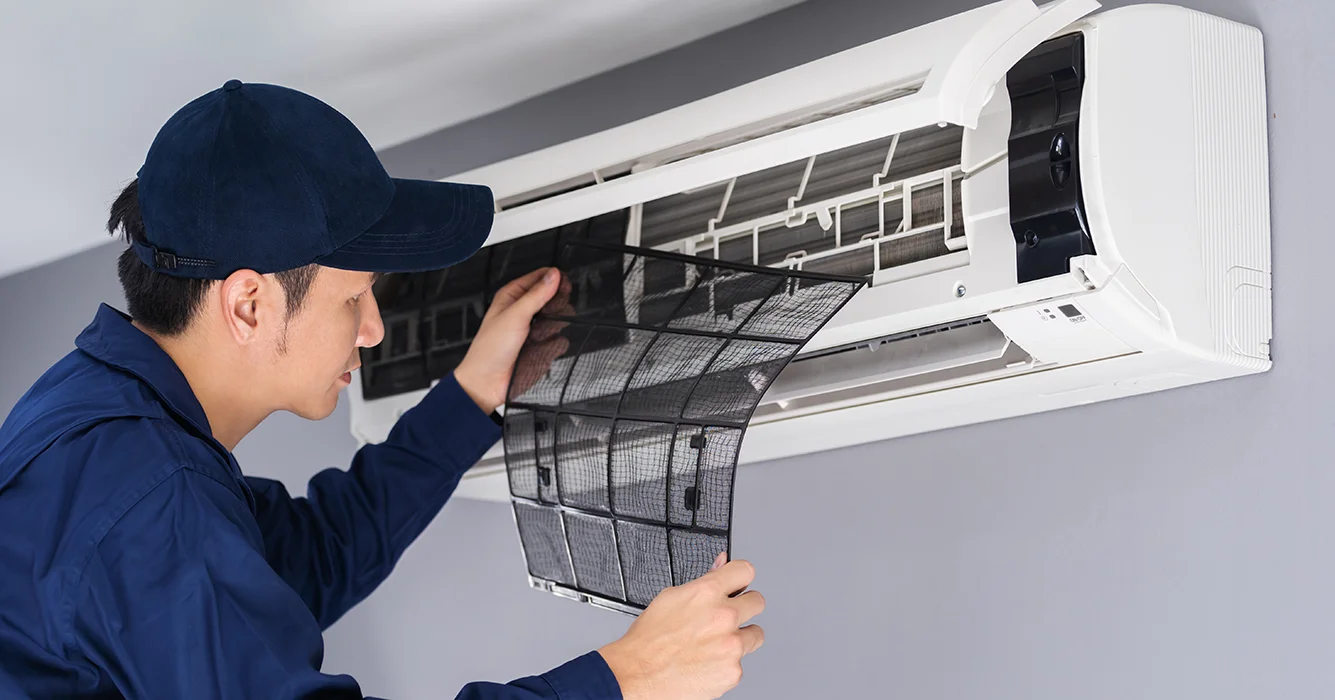
One of the most common problems is dirty or clogged air filters. When filters become blocked with dust and debris, airflow is restricted, causing the system to work harder and cool less effectively. Replacing or cleaning filters regularly is one of the simplest ways to maintain system performance.
Refrigerant leaks are another frequent issue. Low refrigerant levels reduce cooling efficiency and may indicate leaks in the system. This problem should always be handled by a qualified technician, as improper refrigerant handling can damage the system and pose safety risks.
Frozen evaporator coils can occur when airflow is restricted or refrigerant levels are low. Ice buildup prevents the system from absorbing heat properly, leading to poor cooling and potential system damage. Regular maintenance helps prevent this issue by ensuring proper airflow and balanced operation.
Electrical and thermostat issues can also disrupt performance. Faulty wiring, worn components, or malfunctioning thermostats may cause the system to cycle frequently or fail to turn on altogether. Professional inspections help identify and correct these problems safely.
Another common concern is drainage problems. AC systems produce condensation, which must drain properly. Clogged drain lines can cause water leaks, leading to property damage and mold growth. Routine cleaning prevents blockages and moisture-related issues.
Unusual noises or vibrations often signal loose parts, motor issues, or mechanical wear. Ignoring these sounds can lead to more serious damage over time. Prompt inspection helps prevent further complications.
How Preventive Care Makes a Difference
Preventing AC problems starts with regular professional maintenance. Scheduled inspections allow technicians to clean components, test performance, and address minor issues before they escalate. Maintenance also improves energy efficiency, reducing strain on the system and lowering utility costs.
Homeowners can also take simple preventive steps, such as keeping outdoor units clear of debris, changing filters regularly, and monitoring thermostat settings. Avoiding overuse and ensuring proper ventilation further supports system health.
When AC problems are addressed early, repairs are often quicker and less expensive. Preventive care not only protects your system but also ensures reliable comfort throughout the cooling season.
By understanding common AC issues and taking proactive steps, you can reduce breakdowns, extend system lifespan, and enjoy consistent, worry-free cooling year after year.