An air conditioning emergency can be stressful, especially during extreme heat. When your AC suddenly stops working, knowing what steps to take before a technician arrives can help protect your system, prevent further damage, and keep your space as comfortable as possible. While professional repair is essential, a few simple actions can make a big difference in the meantime.
Air conditioning emergencies often occur without warning, but staying calm and acting quickly can reduce risks and discomfort until expert help is available.
Immediate Steps to Take During an AC Emergency
The first step is to turn off the system if you notice unusual noises, burning smells, or water leaks. Continuing to run a malfunctioning unit can cause additional damage and increase repair costs. Shutting it down helps protect critical components and ensures safety.
Next, check your thermostat settings. Sometimes the issue is as simple as incorrect settings or dead batteries. Make sure the thermostat is set to cooling mode and the temperature is lower than the current room temperature. If the system still doesn’t respond, the problem likely requires professional attention.
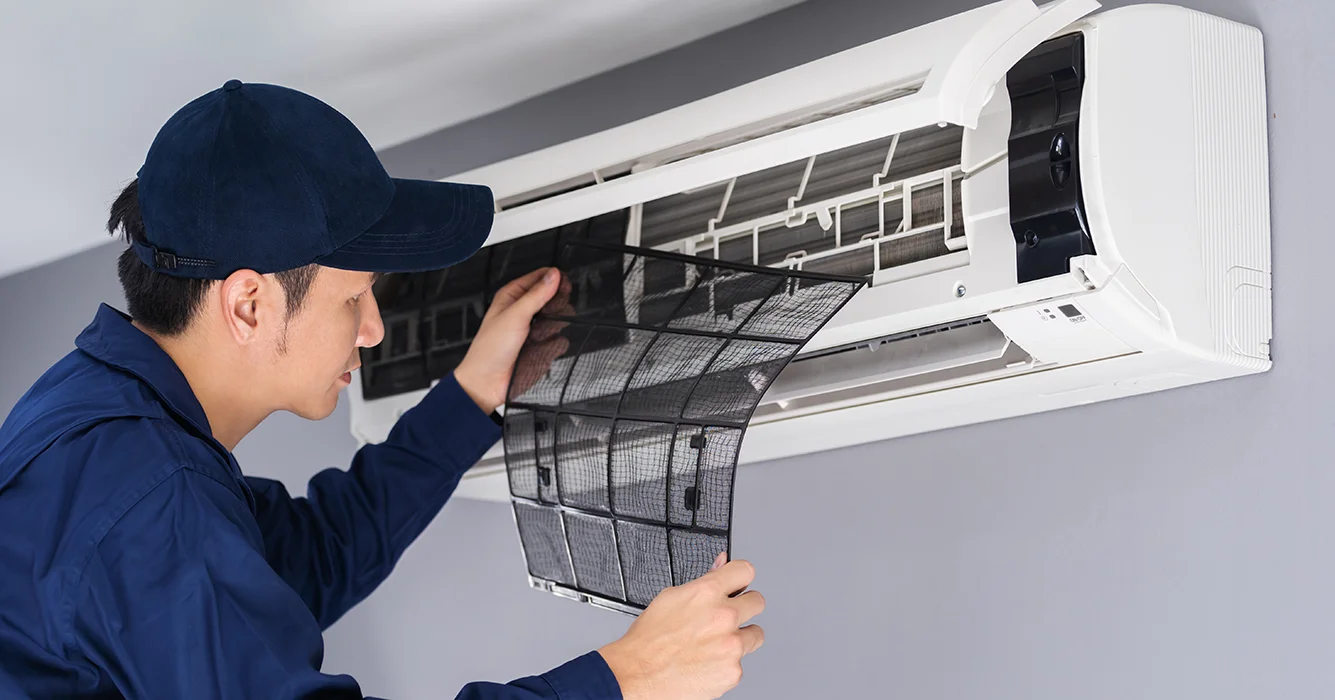
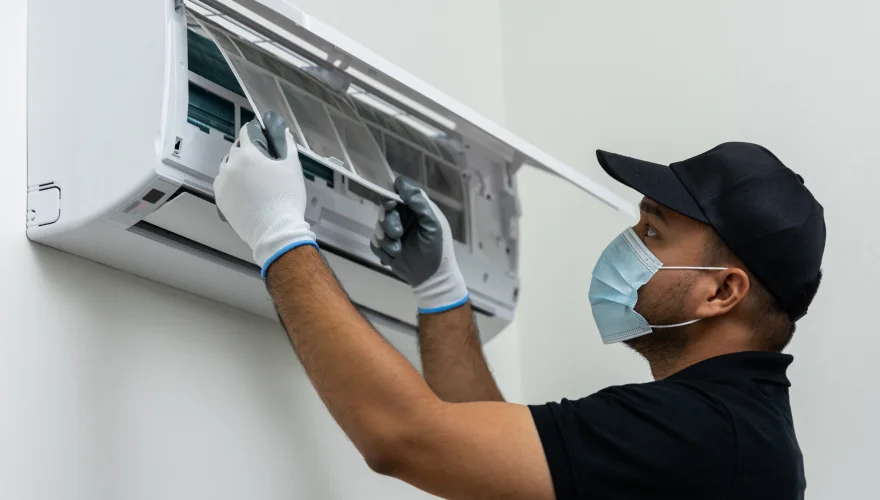
Inspect the air filter and replace it if it’s dirty or clogged. Restricted airflow can cause the system to shut down or freeze up. A clean filter may not fix major problems, but it can help improve airflow and prevent additional strain on the system.
Take a look at the circuit breaker. Power surges or system overloads can trip breakers, cutting power to the air conditioner. If the breaker has tripped, reset it once. If it trips again, leave it off and wait for a technician, as repeated resets can cause electrical damage.
Check for visible obstructions or debris around the outdoor unit. Leaves, dirt, or debris can restrict airflow and affect performance. Clearing the area may help stabilize the system, but avoid opening or repairing internal components.
If you notice water around the unit, try to identify the source. While some condensation is normal, excessive water could indicate a clogged drain line. Avoid attempting advanced fixes, as improper handling can worsen the problem.
While waiting for service, focus on staying cool safely. Close blinds, limit heat-producing activities, and use fans to improve air circulation. These steps can help maintain comfort until repairs are completed.
When to Call for Emergency AC Service
If your AC stops working entirely, emits burning odors, leaks refrigerant, or causes electrical issues, it’s important to call for emergency AC service immediately. These situations can pose safety risks and should not be delayed.
Professional technicians have the tools and expertise to diagnose emergencies accurately and restore your system safely. Attempting DIY repairs during an emergency may result in injury or further damage.
By knowing what to do before the technician arrives, you can minimize stress, protect your equipment, and ensure a faster, more effective repair. Preparation and prompt action make all the difference when AC emergencies strike.