Energy costs are a growing concern for homeowners and businesses alike. Heating and cooling systems account for a significant portion of monthly utility bills, making efficiency a top priority when upgrading or replacing HVAC equipment. Energy-efficient HVAC systems are designed to deliver reliable comfort while using less energy, helping reduce operating costs over time.
Modern HVAC technology focuses on optimizing performance, minimizing waste, and adapting to changing indoor conditions. While energy-efficient systems may require a higher initial investment, the long-term financial and comfort benefits often outweigh the upfront cost.
Why Efficiency Matters in HVAC Systems
One of the primary ways energy-efficient HVAC systems lower utility costs is through advanced system design. High-efficiency units use improved compressors, motors, and heat exchangers that operate more effectively while consuming less energy. These components allow the system to maintain consistent temperatures without overworking.
Energy efficiency ratings, such as SEER for air conditioning systems, play a crucial role in cost savings. Systems with higher SEER ratings use less electricity to produce the same cooling output. Over time, this reduced energy consumption translates directly into lower monthly utility bills.
Another important factor is smart temperature control. Many energy-efficient systems are compatible with programmable or smart thermostats. These devices allow users to schedule cooling based on occupancy and daily routines, preventing unnecessary energy use when spaces are unoccupied.
Proper system sizing also contributes to efficiency. An oversized HVAC system cycles on and off too frequently, wasting energy and increasing wear. An undersized system struggles to maintain comfort and runs continuously. Energy-efficient systems are carefully matched to the space they serve, ensuring optimal performance and energy use.
Improved airflow and insulation compatibility further enhance efficiency. Energy-efficient systems are designed to work with sealed ductwork and balanced airflow, reducing energy loss. When combined with proper insulation, these systems maintain indoor comfort with less effort and lower energy demand.
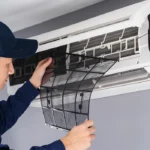
Maintenance also plays a role in efficiency. Modern HVAC systems are built to maintain performance longer, but routine servicing ensures they continue to operate at peak efficiency. Clean filters, coils, and components allow the system to function smoothly and avoid unnecessary energy consumption.
Beyond cost savings, energy-efficient HVAC systems offer environmental benefits. Reduced energy usage means lower carbon emissions, making these systems a more sustainable choice. Many homeowners also qualify for rebates or incentives when upgrading to high-efficiency equipment, further improving return on investment.
Long-Term Savings and Comfort
Energy-efficient HVAC systems provide consistent comfort while significantly reducing utility expenses over time. Lower monthly bills, fewer repairs, and extended system lifespan all contribute to long-term savings.
By choosing an energy-efficient HVAC system and ensuring professional installation, homeowners and businesses can enjoy reliable climate control without the burden of rising energy costs. It’s an investment that delivers comfort, savings, and peace of mind for years to come.